





Operational phase
The operational phase of a building refers to the period of time during which the building is being used for its intended purpose. It begins after construction is completed and the building is occupied, and continues until the building is no longer in use or is repurposed for a different use.
During the operational phase, the building's systems and components, such as heating, ventilation, and air conditioning (HVAC), lighting, plumbing, and electrical systems, are operated to maintain a safe, comfortable, and functional environment for the occupants.
The operational phase also includes regular maintenance and repairs to ensure the building remains in good condition and continues to function properly. This may include tasks such as cleaning, replacing filters, fixing leaks, inspecting equipment and so on.
The operational phase is a critical period for ensuring the longevity and functionality of a building, and requires ongoing attention and care. It may involve a number of stakehoders:
- Building owners, responsible for ensuring that the building operates efficiently and effectively. This may involve hiring a property management company to oversee day-to-day operations, as well as ensuring that necessary repairs and maintenance are performed.
- Property managers, responsible for overseeing the day-to-day operations of the building, including coordinating maintenance and repairs, ensuring compliance with building standards and regulations, and addressing occupants concerns.
- Facility managers, responsible for maintaining the building's systems and equipment, such as HVAC, electrical, plumbing, and security systems, to ensure that they are functioning properly and efficiently.
- Maintenance staff, responsible for performing routine maintenance tasks, such as cleaning, painting, and landscaping, as well as addressing any repairs or maintenance needs that arise.
- Tenants or occupants of the building play a role in the operational phase by reporting any maintenance or repair needs to the property manager or maintenance staff and following building operating procedures to ensure the safety and functionality of the building.
- Contractors and suppliers may be involved in the operational phase of a building by providing services such as repairs, maintenance, cleaning, and security. Building owners and property managers may hire these individuals or companies to perform necessary tasks to keep the building running smoothly.
[edit] Related articles on Designing Buildings
Featured articles
Check out some of the best features and news from Designing Buildings as well as key stories from around the web.
Undervaluing our industrial past

Heritage value changes as taste for building styles changes.
Changing expectations around competence and compliance

New information sheet from CIAT.
Grenfell investigation files passed to CPS

Angela Rayner apologises on behalf of the British state.

Electrical contractors need to understand the practical implications.

The real barrier to getting more value from digital technology.

Your guide to The Construction Reset at UKCW Birmingham.

Accommodating the Victorian and Edwardian working woman. Book review.
Rethinking passive fire protection in design

PFP demands the same level of design rigour as structure or services.

38% of Gen Zs feel safe when a fire door is wedged open.
Stunning images from around the world

Shortlist for CIOB’s Art of Building photography competition.

Guidance for conversion of traditional pre-1919 stone buildings.
Industrial heritage in the Ruhr
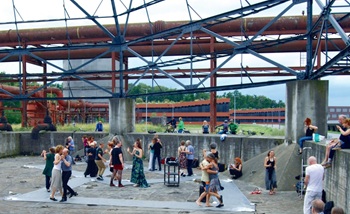
A marked difference to the fate of industrial landscapes in the UK.
Comments
[edit] To make a comment about this article, or to suggest changes, click 'Add a comment' above. Separate your comments from any existing comments by inserting a horizontal line.